Marketing Dribble podcast: The biggest mistakes in local advertising and how to avoid them
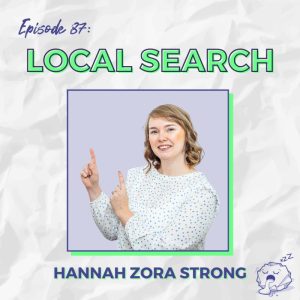 Hannah walks Rob and Jonny through the real differences between Google Ads and LinkedIn Ads, breaks down how Local Service Ads work and who they’re best suited for, and calls out the most common mistakes small business owners make when spending their ad budget. Spoiler: you’re probably wasting money somewhere.
We also get into AI; how is it changing the game for local businesses, and how you can use it to your advantage without needing a massive marketing team or budget behind you.
Whether you’re running a bricks-and-mortar shop or a service-based business trying to get found locally, the episode is full of straight-talking strategies to help you spend smarter and get better results. Listen here, or read-on below!
Local Services Ads or traditional Google Ads – which platform do I start with?
Local Services Ads (LSAs) are designed to be a straightforward, low-touch lead feeder for specific service providers. They can be setup in isolation, or used in conjunction with traditional Search ads setup within the Google Ads interface.
| Feature | Local Services Ads (LSAs) | Traditional Google Search Ads |
| Bidding Model | Pay-per-lead (CPL), not cost-per-click. | Pay-per-click (cost-per-click bidding, or smart bid strategies such as target cost per lead / maximise conversions or target ROAS / maximise revenue |
| Targeting | Uses your Google Business Profile, service selection, and radius/area. | Targets users based on keywords, demographics, and location settings. |
| Best For | Tradespeople, locksmiths, moving services, plumbers, handymen, service providers, or anyone working from home (ideally one or two-person businesses). | Businesses wanting to capture demand from specific keyword queries. |
| Lead Capture | Message or call, tracked via the Local Services Ads platform, delivering contact info straight to the business. | Requires robust conversion tracking (form fills, calls) to measure performance. |
A key benefit of LSAs is the cost-per-lead model, which is a “no-brainer” for tradespeople on a tight budget, as ads only appear when people are actively requesting that service (e.g., “plumber near me”). Cost-per-lead is determined by the demand and competition within your selected service area.
Driving Footfall for Physical Stores with Performance Max
For businesses with physical locations – especially e-commerce retailers who also want in-store visits – Google’s Performance Max (PMax) is the primary ad format to drive footfall traffic.
- Google Maps Visibility: PMax is the main format for launching ads directly on Google Maps, which is critical since modern search behavior means users no longer need to type “coffee near me” but can simply type “coffee” into Maps.
- Promoted Pins: If you open Google Maps, a square pin indicates a promoted PMax ad, while round pins are organic listings.
- Quantifying Value: PMax footfall campaigns are a “game changer” for hospitality and retail. They provide a way to see how many people searched, clicked the ad, and then visited the location, allowing the business to place a quantifiable value on the ad activity (e.g., if the business knows the average spend per person).
Caveat on Store Visit Tracking
Google is often vague on the eligibility criteria for setting up in-store tracking. Eligibility is based on having enough footfall and location data to ensure the tracking remains anonymous (full details direct from Google here). Businesses in busy city centres generally qualify faster than those in low-traffic areas like trading estates.
Critical Mistakes to Avoid
The single most costly mistake Hannah frequently sees is incorrect location settings.
“When setting up your campaign, ensure you choose “Presence only” instead of “Presence and Interest” she says.
Selecting “Presence and Interest” means your ads will show to users interested in visiting your area, not just those who are physically there. This can result in “wasted spend from around the world” and should be fixed immediately.
The Future of Local Search: AI and Conversational Results
The rise of conversational AI chatbots (like ChatGPT and Gemini) is expected to impact local search.
- Opportunity over Threat: AI is likely to introduce new ad platforms (i.e. advertisers can register their interest for ChatGPT ads here), challenging Google’s monopoly and giving local businesses more sources for leads.
- Conversational Advantage: AI handles conversational queries better than traditional search. If a user asks for the “best plumber near me” or “highly rated,” AI platforms are expected to synthesize reviews and data from multiple sources (like Trustpilot, Feefo, etc.) to provide one definitive answer, offering a more personal approach.
- Adapting: Businesses must be prepared to “move with the times” and adapt their strategy to leverage these new AI-driven platforms.
To chat to Hannah about mastering your local ad campaigns, contact her via email: hannah.zoramarketing@gmail.com

Zora Marketing Invited to Downing Street Alongside North East Female Founders
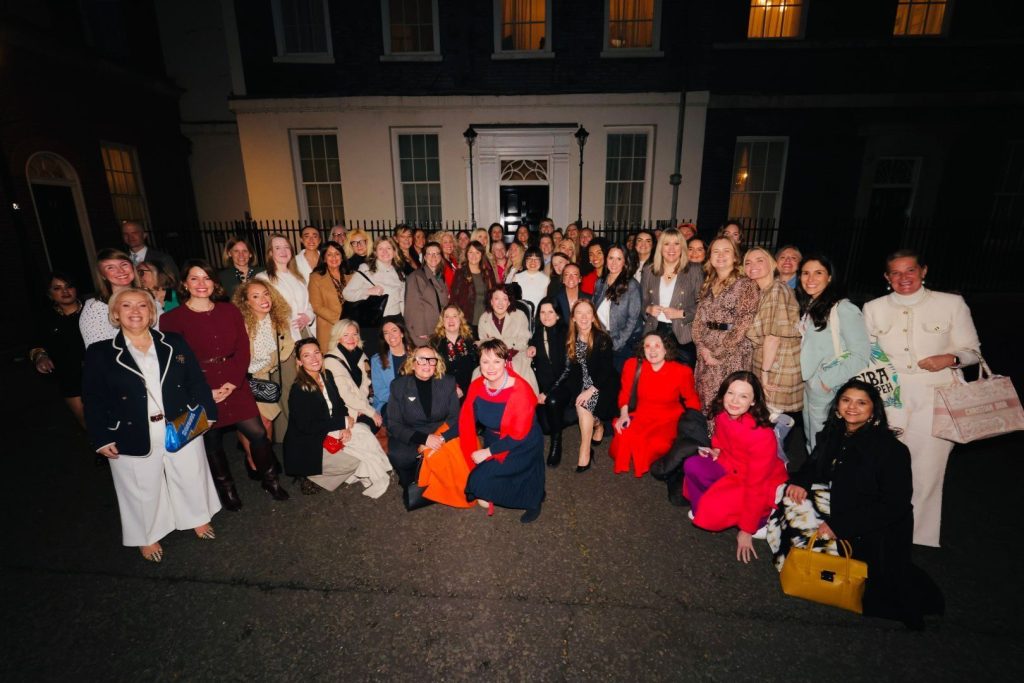
Hannah Strong, founder of Zora Marketing joined 50 female founders from across the North East for an evening with the Chancellor; all recognised for the role they are playing in building and growing businesses across the region.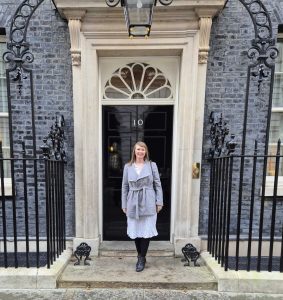
The room was crammed with world-class innovators across tech, creative industries, and professional services, but the underlying theme was that these women – through geography alone – didn’t have the same access to investment compared to other parts of the country.
As Sophie Milliken put it on the night, the barrier has never been ambition, it’s been access. That’s something that resonated across the room because it’s a reality for many founders. Hannah’s key takeaway from Sophie, Kim McGuinness, and Rachel Reeves was one of HOPE; that investment and belief in the capabilities of Northern women has been ignored for too long, but change is already afoot.
Hannah said: “There’s a huge amount of creative energy in the North East, and I love being a part of it. I’m frequently found at the North Tyneside Business Forum and Factory events, City Ladies at the Hilton in Gateshead, the North East Charity Freelancer bi-monthly co-working group, and the North East Freelance Network (the most supportive freelance community going), so I like to get out and about as much as I can!
 There is a real sense that people are building things that matter, often alongside everything else life brings. I even bumped into Abigail Reid (Merwave founder) at the event, whom I last met 4 years ago at a Whitley Bay stay’n play with our toddlers! It was proof that many women in the room are also mothers out to change the world around changing nappies. Many of these businesses are being run around school runs, client work, and day-to-day commitments, and still managing to grow. It’s not always the version of entrepreneurship that gets talked about, but it’s a big part of what’s driving the region forward.
Although I’m from the Lake District originally, I’m now an honorary Geordie, and being invited to spend the evening amongst such an esteemed group of women was incredibly inspiring. I even chatted to Kim McGuinness about this very topic – pushing for the BIPC scheme to be rolled out to Durham and Tees Valley too.”
From a Zora Marketing perspective, the message of regional potential is clear every day. Through her Experts in Residence role at the BIPC, Hannah sees first-hand how many brands are seeking access to business support to scale their operations. The focus of the BIPC is to safeguard and create new roles, and the sheer demand for both the Citylife Grants (12hrs 1:1 support with an Expert) and their local networking events (held from Northumberland to Sunderland) demonstrates just how much entrepreneurs are clambering to take advantage of North East Combined Authority opportunities.
Managing Google and LinkedIn ads for local brands and BIPC North East clients gives Hannah a direct insight into how ‘ready to scale’ these businesses are. They’re not trying to get going; they’re already scaling, already delivering results, and already building momentum.
Being invited to Downing Street reflects the quality of the businesses here, including Zora Marketing, but the real value will come from what follows: the conversations that continue, the opportunities created, and the investment in female-founded businesses that will hopefully grow from strength to strength.
Hannah gave a huge thank you to City Ladies Networking and Natalie Turner for bringing it all together, and for creating the kind of space where those conversations can happen properly.
If you’re a North East business looking to grow and want support with Google or LinkedIn ads, Zora Marketing works closely with brands at that stage, helping turn what’s already working into something that scales.
You can get in touch directly at: hannah.zoramarketing@gmail.com
How to Set Up Google Local Services Ads (5-Step Guide)
Learn how to set up Google Local Services Ads for handymen, including verification, budget, and lead generation tips.